
The real cost of rust: what corrosion is doing to UK homes
Rust rarely arrives as an emergency. It arrives as a slow tax — a gate that needs repainting every other year, a bracket that seizes, a classic car that loses value while it sits. The global research on corrosion puts surprisingly hard numbers on that slow tax, and they are worth understanding before you decide how to treat a surface.
Why the UK is a hard environment for metal
Corrosion is driven by three things: moisture, time and salt. The UK supplies all three generously. Met Office long-term averages put the UK at roughly 1,150 mm of rainfall a year with around 130–160 rain days, and no part of the country sits more than about 70 miles from the coast. Add winter road salt — UK highway authorities typically spread well over a million tonnes of it in a normal winter — and you have an environment where exposed ferrous metal starts oxidising within weeks of losing its protective coating.
The practical effect at a domestic address is repetition. A wrought-iron gate that is sanded and repainted usually needs the same treatment again in two to five years, because each mechanical pass leaves a slightly rougher, slightly thinner profile for water to sit in.
The compounding-loss problem
The reason corrosion research keeps landing on such large numbers is that the damage compounds. Once oxidation breaches a coating, it spreads underneath it — the visible blister is smaller than the affected area. Restoration specialists commonly find that the treated area needs to be one and a half to two times the size of the visible rust patch to reach sound metal.
- Surface bloom: cosmetic, removable, no material loss
- Scaling: flaking layers, measurable pitting begins
- Pitting and section loss: structural, and no cleaning method restores lost metal
Everything is cheap in the first stage and expensive in the third. The value of any cleaning method is largely a function of how early and how often you are willing to use it — which is why a non-destructive method matters.
Where the method you choose changes the maths
Abrasive methods remove rust and a small amount of parent metal each time. Blasting and aggressive sanding typically take off a few tens of microns per pass on steel. That is invisible once, and significant across a component's lifetime — particularly on thin-wall tube, ornamental castings and threaded fasteners.
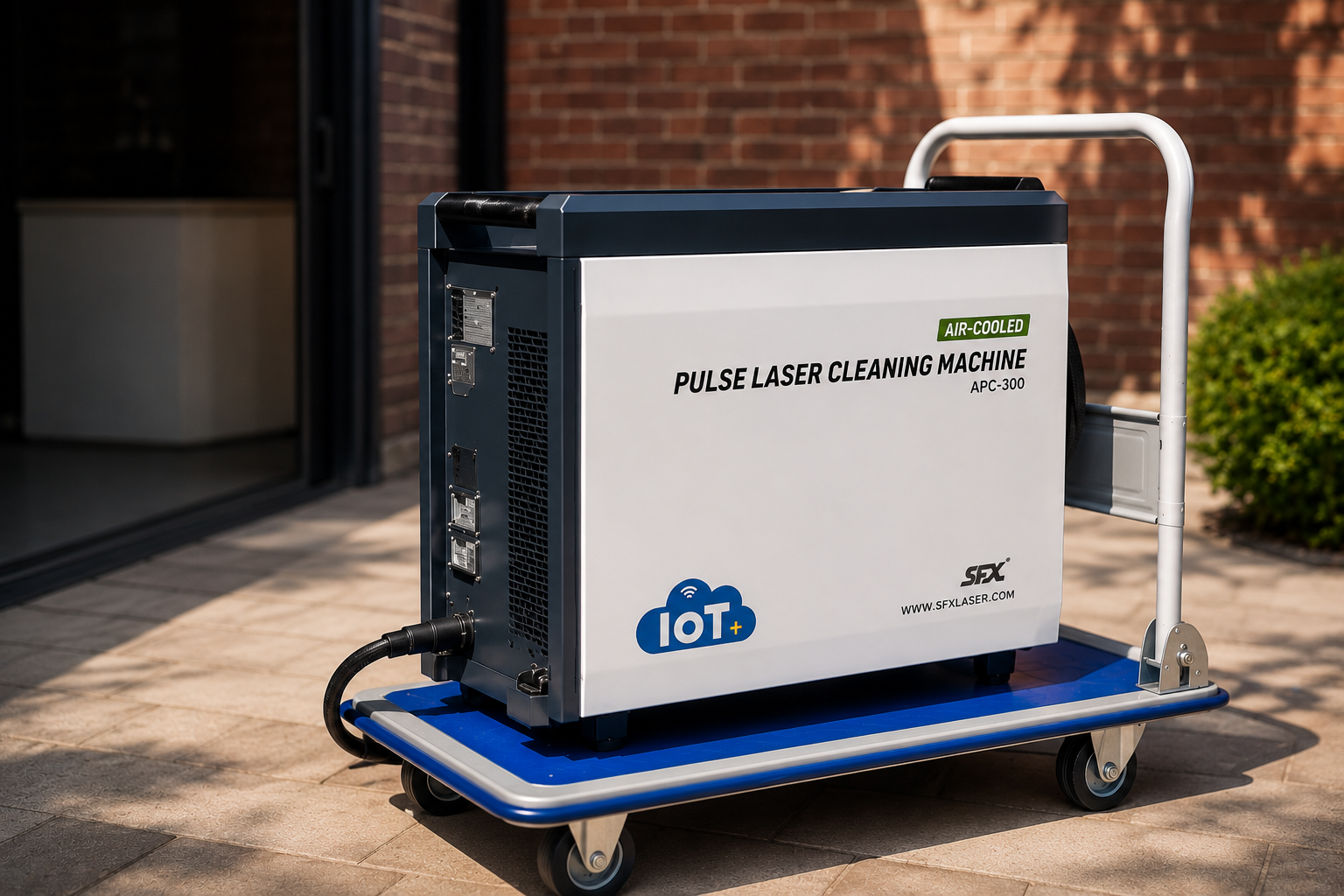
Pulsed fibre laser cleaning works differently. The oxide layer absorbs the pulse energy and ablates; the bright parent metal beneath reflects most of it. The process is effectively self-limiting, so repeat treatments over the years do not accumulate into thinning. For an owner planning to keep a gate, a balustrade or a car for decades, that distinction is the whole argument.
A simple way to compare quotes
Rather than comparing the headline price of a single visit, divide the cost by the years of protection it buys, and add the cost of what the method damages. A cheaper abrasive job that scratches a polished finish, dulls a chrome fitting or removes original paint next to the rust is not cheaper — it has simply moved the cost onto a different line.
Figures above are drawn from published corrosion research (NACE International's IMPACT study) and UK climate and winter-service averages. They describe the general picture, not a guarantee for any specific surface — every job we take on is assessed individually.
Want a straight answer for your surface?
Send us a photo and a few details. We will tell you honestly whether laser cleaning is the right method, and what it would take.
Email admin@apex21.co.uk